
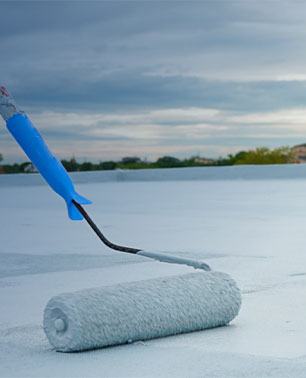
Waterproofing is a protective treatment applied to buildings and structures to prevent
water leakage, seepage, and moisture damage. It involves applying specialized
waterproofing materials and coatings that create a water-resistant barrier, protecting
the structure from water penetration.
Waterproofing is essential for areas exposed to
moisture such as terraces, roofs, bathrooms, basements, balconies, water tanks, and
external walls. Proper waterproofing increases the durability of the structure and helps
prevent costly repairs caused by water damage.
Why Waterproofing is Used
Water seepage is one of the most common problems in buildings. If not treated properly, it can lead to structural damage, cracks, mold growth, paint peeling, and damp walls. Waterproofing solutions help protect buildings from these issues by creating a barrier against water infiltration.
Waterproofing is commonly used for:- Roofs and terraces
- Basements and foundations
- Bathrooms and toilets
- Water tanks and swimming pools
- Balconies and external walls
- Parking areas and podium slabs
It helps maintain the strength, safety, and lifespan of the building structure.
How Waterproofing Works
-
Surface Inspection
The area is inspected to identify cracks, leakage points, and damaged sections where water seepage is occurring.
-
Surface Preparation
The surface is cleaned thoroughly to remove dust, loose particles, oil, or old coatings.
-
Crack & Joint Treatment
Cracks, joints, and weak areas are repaired using suitable fillers or waterproof compounds.
-
Waterproof Coating Application
Special waterproofing materials such as liquid membranes, cementitious coatings, or waterproof chemicals are applied to create a protective layer.
-
Curing & Protection
The coating is allowed to cure, forming a strong waterproof barrier that protects the surface from water penetration.
Benefits of Waterproofing
-
Prevents Water Leakage
Stops water seepage and protects walls, ceilings, and floors from damage.
-
Protects Structural Strength
Prevents corrosion of reinforcement steel and deterioration of concrete structures.
-
Prevents Dampness & Mold
Reduces moisture buildup that can cause fungus, mold, and unhealthy indoor environments.
-
Increases Building Lifespan
Proper waterproofing extends the life of the building and reduces future repair costs.
-
Improves Interior Appearance
Prevents paint peeling, stains, and damp patches on walls and ceilings.
-
Cost-Effective Protection
Investing in waterproofing helps avoid expensive structural repairs later.
Frequently Asked Questions (FAQs)
Signs include damp walls, paint peeling, water stains, mold growth, cracks, and water leakage during rain.
Common areas include terraces, roofs, basements, bathrooms, balconies, water tanks, and external walls.
Depending on the material and application quality, waterproofing can last 5–15 years or more.
Yes, waterproofing can be applied to both new and existing buildings to stop leakage and moisture problems.